

Credit card debt can quickly become overwhelming, especially with high-interest rates compounding your balance. For many in India, balance transfer credit cards offer a practical solution for managing and consolidating debt. Here’s a detailed look at how these cards work, and when it’s wise to use them, focusing on credit card debt consolidation.
How Balance Transfer Credit Cards Work
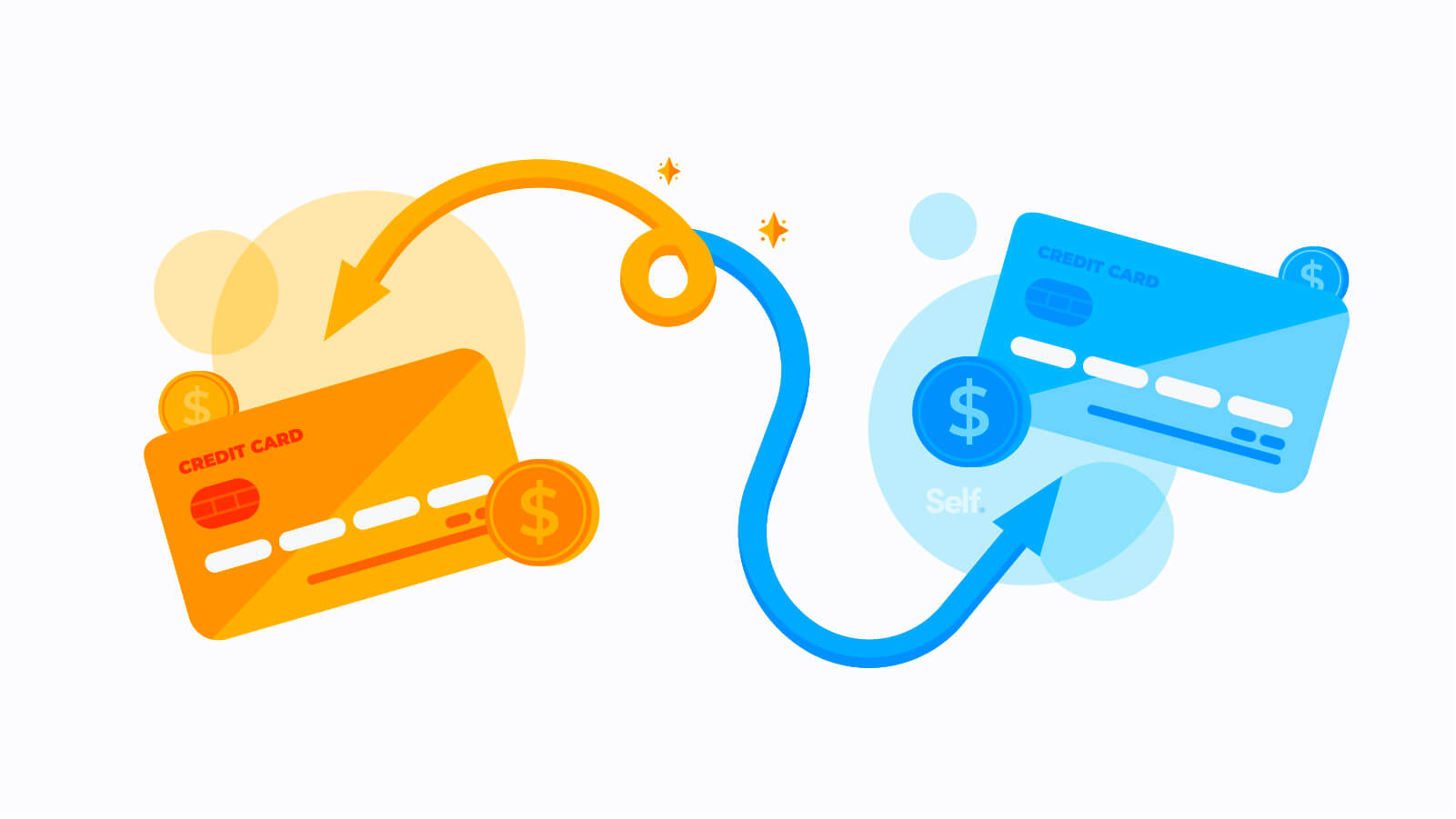
A balance transfer credit card allows you to move outstanding balances from one or more high-interest credit cards to a new card with a lower interest rate, often with an introductory 0% APR for a specified period. This can provide significant savings on interest payments and help you pay off your debt faster.
1. Application Process
To start, you need to apply for a balance transfer credit card. Many banks in India offer these cards, and the application process is typically straightforward. You can apply online, making it convenient and quick.
2. Balance Transfer Request
Once approved, you’ll request the balance transfer, specifying the accounts from which you want to transfer the debt. The new card issuer will then pay off your old debts and consolidate them into one new account.
3. Introductory Period
Most balance transfer cards come with an introductory period ranging from 6 to 18 months, during which the interest rate is significantly lower, often 0%. This period is crucial for paying down your debt without accruing additional interest.
4. Post-Introductory Period
After the introductory period, the interest rate will revert to the standard rate, which is typically higher. Therefore, it’s essential to have a plan to pay off the transferred balance before this period ends to maximize savings.
When to Use Balance Transfer Credit Cards
1. High-Interest Debt
If you’re struggling with high-interest credit card debt, a balance transfer can significantly reduce your interest payments. For example, if you have multiple cards with interest rates above 20%, consolidating them into one card with a 0% introductory rate can save you thousands of rupees.
2. Simplify Payments
Managing multiple credit card payments can be cumbersome and increase the risk of missing a payment. Consolidating your debt into a single balance transfer card simplifies your payments and makes it easier to keep track of your debt repayment progress.
3. Improve Credit Score
By reducing the number of accounts with outstanding balances and lowering your credit utilization ratio, balance transfers can potentially improve your credit score. A better credit score can open doors to more favorable loan terms and interest rates in the future.
4. Create a Debt Repayment Plan
Balance transfer credit cards can help you create a structured debt repayment plan. With lower interest rates, more of your payment goes towards the principal balance, enabling you to pay off debt faster and more efficiently.
Tips for Using Balance Transfer Credit Cards Wisely
1. Understand the Fees
While balance transfer cards can save you money on interest, they often come with fees, such as a balance transfer fee (typically 1-3% of the transferred amount). Calculate whether the interest savings outweigh these fees before proceeding.
2. Avoid New Purchases
To maximize the benefits of a balance transfer card, avoid making new purchases on the card. New purchases can accrue interest immediately if they are not part of the promotional 0% APR offer.
3. Pay More Than the Minimum
To pay off your debt within the introductory period, pay more than the minimum required payment. This will help you reduce the balance faster and avoid high interest charges once the introductory period ends.
4. Set Up Reminders
Missing payments can result in losing the promotional interest rate. Set up payment reminders or automatic payments to ensure you never miss a due date.
Conclusion
Balance transfer credit cards can be a powerful tool for credit card debt consolidation and financial management. By understanding how they work and using them strategically, you can take control of your debt and work towards a debt-free future. Remember, the key is to stay disciplined, avoid accumulating new debt, and make consistent payments towards your balance. With the right approach, balance transfer cards can provide the financial relief and structure you need to regain control of your finances.
 Rachel